Communicators

World Wildlife Day 2026: Why Early Engagement with Environmental Groups Matters
March 3, 2026
World Wildlife Day 2026: Why Early Engagement with Environmental Groups Matters
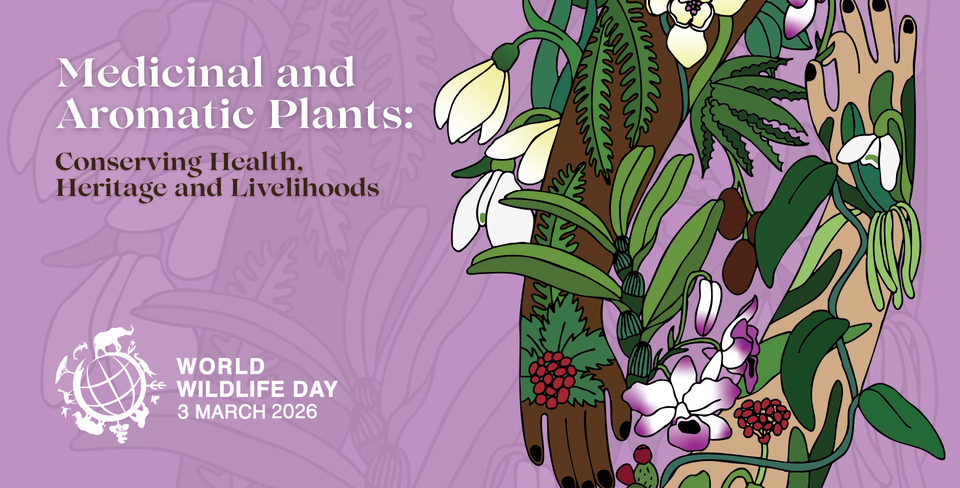
On 3 March, the world marks World Wildlife Day, celebrating wild animals and plants and recognising the vital role biodiversity plays in sustaining people, communities and economies. The WWD2026 theme — Medicinal and Aromatic Plants: Conserving Health, Heritage and Livelihoods — highlights how strongly society relies on natural resources for water, food, fuel, medicine, housing and clothing.
For developers progressing nationally significant infrastructure projects (NSIPs), this global moment serves as an important reflection point. Wildlife, habitats and natural systems are essential considerations in the planning process, the environment is foundational to place-making, community identity and sustainable growth.
Environmental groups represent ecological expertise, local knowledge and public values tied to the natural environment. Engagement with environmental stakeholders is fundamental to building credible, deliverable schemes that stand up to examination and beyond. Environmental groups can shape the quality and credibility of evidence, the scope of examination and the level of public and political confidence in a scheme. Concerns raised by environmental groups and experts often carry significant weight with Examining Authorities.
In the spirit of World Wildlife Day which calls for connection, collaboration and continued action, we identified six environmental groups developers should engage early during initial design and consultation.
1. The Wildlife Trusts
Among the most influential non-statutory environmental stakeholders in the DCO process, The Wildlife Trusts frequently:
- Hold detailed local species and habitat data
- Challenge or validate ecological baselines
- Influence statutory consultees such as Natural England
Concerns raised by The Wildlife Trusts often surface during examination and can lead to requests for further work if not resolved early.
2. CPRE (Campaign to Protect Rural England)
CPRE is a national charity dedicated to protecting and regenerating rural England. It plays an active role in scrutinising how development impacts landscape, land use and rural character. Its national voice, supported by influential local branches, means CPRE is well placed to challenge the principle, siting and cumulative impacts of NSIPs — and to shape public and political narratives during the DCO process.
Their involvement can:
- Influence MPs, councillors and local authorities
- Shape media coverage and public representations
- Feed into examination issues around policy and alternatives
3. The Rivers Trust
Operating at a catchment level, The Rivers Trust and its member trusts bring technical expertise and long-term datasets on river health and flows. Their insight is particularly relevant where schemes interact with water environments.
Their involvement can:
- Provide long-term data on river condition
- Question drainage strategies and flood risk assessments
- Scrutinise assumptions on cumulative water impacts
4. Species-Specific Organisations
Species-focused groups often scrutinise methodology in detail. Groups like the Butterfly Conservation group or the Bat Conservation Trust, play a vital role in tackling species decline by identifying threats, monitoring population trends and supporting species recovery initiatives.
Their involvement can:
- Question survey timing, scope and competence
- Highlight species presence not captured in early work
- Maintain direct links to Natural England advisers
5. Woodland Trust and Ancient Tree Forum
Where woodland, veteran trees or ancient habitats are affected, these organisations can be pivotal. Given the heightened sensitivity around ancient woodland and irreplaceable habitats, early dialogue is particularly important.
Their involvement can:
- Trigger scrutiny on habitat loss and mitigation
- Influence Tree Preservation Orders and examination issues
- Reclassify habitats based on field analysis
6. Local Conservation and ‘Friends of’ Groups
Volunteer-led “Friends of” and local conservation groups work closely with councils to protect and enhance green spaces, parks and nature reserves.
They typically:
- Submit detailed written representations
- Attend hearings and issue-specific sessions
- Maintain strong relationships with local politicians and statutory bodies
World Wildlife Day reminds us that biodiversity underpins health, heritage and livelihoods. Themes that resonate strongly in UK planning and environmental policy. At Queenswood, we recognise the importance of wildlife and the organisations that protect it.
Trusted by great companies


Building Bridges
Queenswood
175-185 Grays Inn Road,
London, WC1X 8UE


© Copyright 2026 Queenswood Engagement | All Rights Reserved