Communicators

What The Planning and Infrastructure Act 2025 Means for Engagement
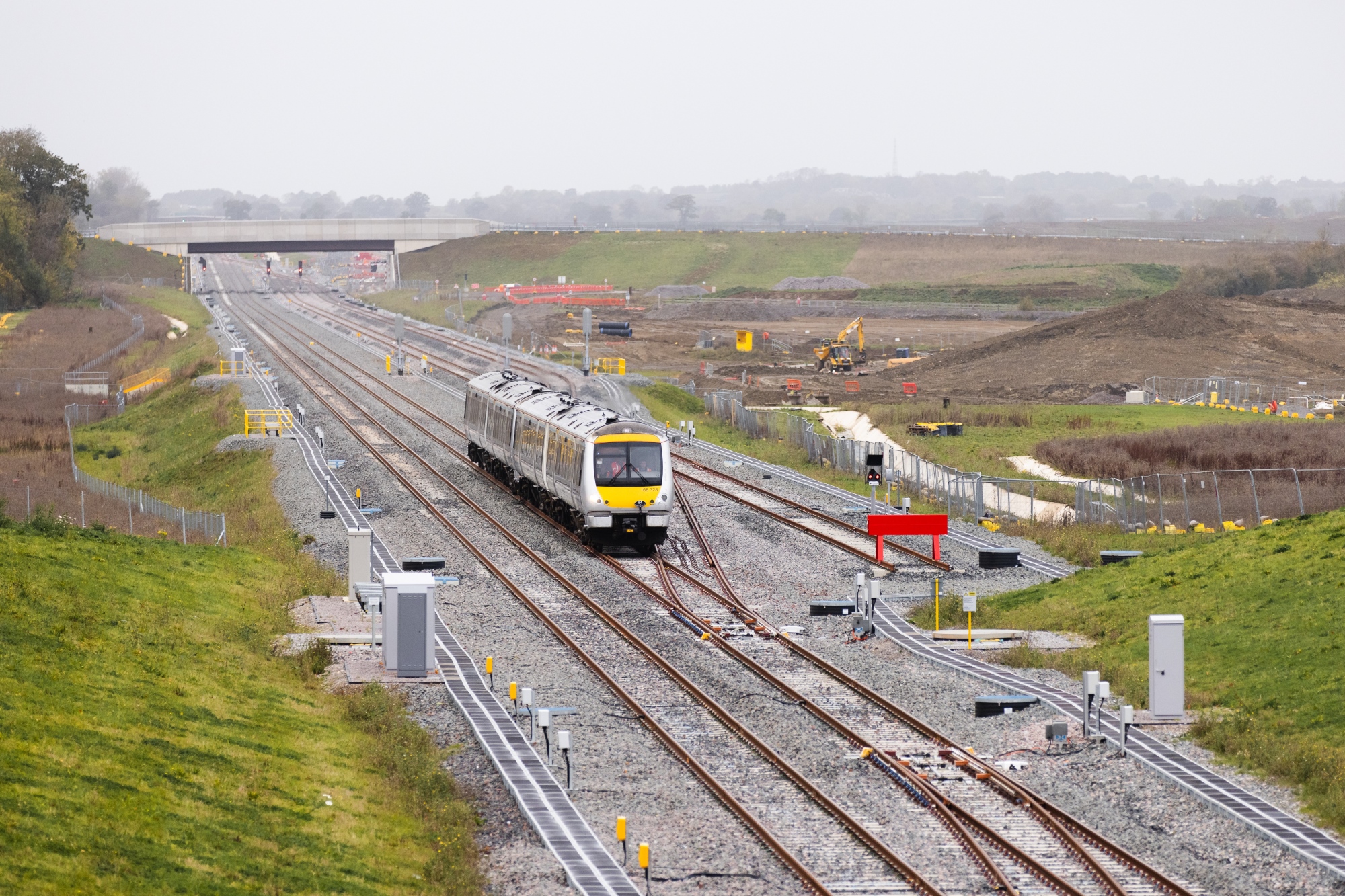
The new Planning and Infrastructure Bill represents one of the most significant shifts in the Nationally Significant Infrastructure Projects (NSIPs) regime in over a decade. While the Act reduces tick box for consultation, it does not change why good engagement matters. With the Act now in force and further guidance expected in early 2026, the coming months will show how planning reform will work in practice.
What is the Planning and Infrastructure Act 2025?
The Planning and Infrastructure Act 2025 became law on 18 December 2025. At its core, the Act seeks to streamline the NSIP consenting process while maintaining confidence, quality and accountability across decision-making.
What is the purpose of the new Act?
The direction of travel is clear:
- More flexible and meaningful approach to engagement and consultation
- Simpler processes that increase speed of delivery and reduce unnecessary duplication
- Boosting certainty including reducing opportunities for legal challenge
- Clearer accountability for decision-makers and promoters
- A more strategic approach to environmental, land and engagement obligations
What has changed for engagement?
One of the most significant changes introduced by the Act relates to pre-application consultation for NSIPs. Under the new framework:
- The statutory pre-application consultation requirements have been removed
- Developers are no longer legally required to undertake:
- Section 42 consultation with statutory consultees and affected persons
- Statutory community consultation
These statutory requirements will be replaced by best-practice guidance, expected to be issued by the Secretary of State in early 2026. Importantly:
- Developers will be required to have regard to this guidance
- The guidance will not be legally binding
- The Government has been explicit that it still expects
“high-quality, early, meaningful and constructive engagement and consultation with those affected by NSIP proposals”
In other words, the obligation to engage has not disappeared, rather, the focus is on high-quality engagement that is meaningful and genuinely capable of improving outcomes. This is likely to bring greater flexibility in how engagement is designed and delivered, alongside a stronger focus on approaches that are proportionate, targeted and supported by clear evidence.
The quality of communication will therefore be more important than ever. Clear, positive storytelling that articulates project need, benefits and long-term value will play a central role in building understanding and trust. Done well, this creates space to improve public understanding of infrastructure projects and demonstrate the wider social and economic benefits of investment across the country.
What we've seen in the industry so far
One of the first major projects to progress under the new regime, East West Rail (EWR), has confirmed that it will proceed with a full, route-wide consultation this spring. This follows a pause in engagement on the Bedford to Cambridge section while planning reforms were being finalised. Further detail is available via New Civil Engineer here.
Leading schemes are not stepping back from engagement. Instead, they are recalibrating it, focusing on maintaining transparency, building stakeholder confidence and ensuring that communities remain part of the conversation as projects evolve. While the full implications of planning reform are still emerging, the professional benchmarks for effective engagement have not shifted. Early involvement, meaningful two-way dialogue, transparency in process, and clear evidence of how feedback informs decision-making will remain.
For project promoters and delivery partners, engagement is an imperative strategic function. Those who treat it as such, embedding it early, resourcing it properly and aligning it to risk and decision-making, will be best placed to secure trust, reduce risk and deliver with confidence in a changing planning landscape.
Trusted by great companies


Building Bridges
Queenswood
175-185 Grays Inn Road,
London, WC1X 8UE


© Copyright 2026 Queenswood Engagement | All Rights Reserved